
How to view a property
Top five tips on things to look out for during a property viewing
By Darren (Agents Aperture) - 1st November 2025
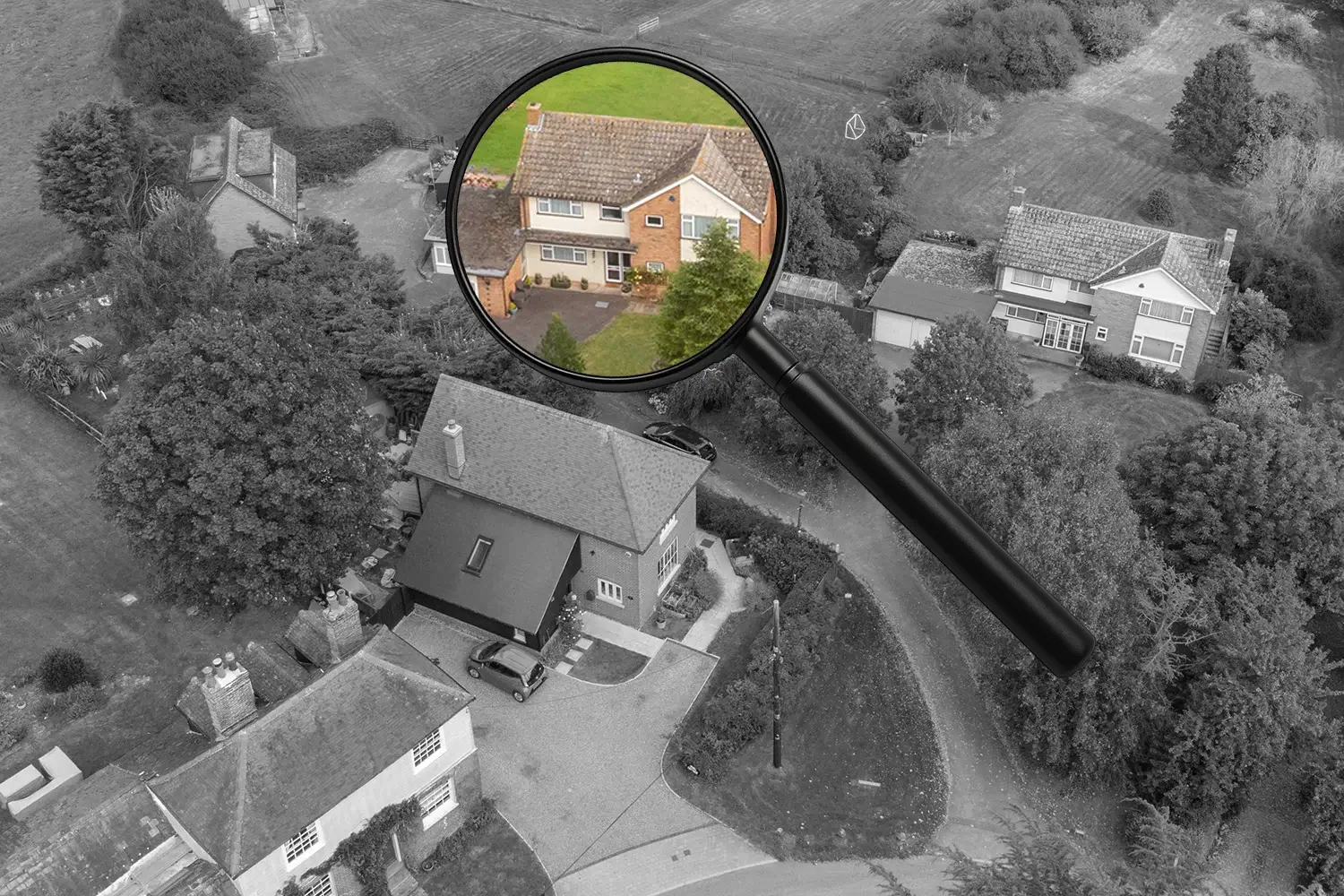
Disclaimer: This guide is for general information only. It highlights a few things you may wish to consider when viewing a property to buy or rent.
1) Japanese knotweed. Especially if the property you’re viewing is close to train tracks, keep an eye out for Japanese knotweed. The Victorians originally planted it along railway lines, canals, and industrial areas for erosion control, aesthetic appeal, and low maintenance — or so they thought. Little did they know it would become one of the most invasive plant species in the UK, capable of damaging structures and spreading aggressively through the soil.
If that’s not bad enough, Japanese knotweed is also extremely difficult and expensive to eradicate, and planting it in the UK is illegal. It’s also worth noting that while bamboo isn’t as destructive, it can still cause structural damage if left unmanaged, particularly the fast-spreading “running” varieties.
2) Spray foam insulation. Always, when viewing a property, check the inside of the roof (loft area) as well as the outside. One of the main things to look for is spray foam insulation.
In most cases, spray foam is applied directly to the rafters — and it can be extremely damaging to the roof structure. From what I’ve seen, it’s often poorly installed, leaving the roof unable to breathe properly. This lack of ventilation is critical, as it traps moisture within the roof space. Over time, that trapped moisture can lead to rotting rafters, compromising the roof’s integrity and often resulting in the need for a complete re-roof — an expensive repair.
It’s also worth noting that many mortgage lenders will not lend on properties where spray foam insulation has been installed, due to the potential structural risks involved.
3) Neighbours. This is one thing you simply can’t change or fix! If something goes wrong with the house, you usually have some control over it and it can be repaired — but bad neighbours are a different story.
When viewing a property, don’t just focus on the house itself; take a good look at the rest of the street. Signs such as discarded shopping trolleys, old mattresses, sofas or fridges left outside can all be red flags that the area isn’t particularly well-kept. Check the front gardens too — are they tidy and maintained, or full of clutter? Is there a car on a jack with a wheel missing?
It’s a good idea to spend a little time in the area before or after your viewing and observe the surroundings. These are the people who could become your neighbours. For the best picture of the neighbourhood, visit at different times of day, including after dark, to see how the area really feels.
4) Chimney. (Obviously, if there is one!) Chimneys are often overlooked when it comes to maintenance, largely because they’re so high up and out of the way. This is especially true for Victorian properties, which are now well over 100 years old. Generally speaking, the chimney pots on Victorian houses can be huge, and since these homes are often larger and taller (with the exception of terraced houses), they’re even harder to inspect.
The issue is that chimneys usually aren’t checked until there’s a problem, and by then it can be too late. If a large chimney pot were to come loose and fall, it could cause major damage to the roof below — or worse, pose a serious safety risk.
When viewing a property, take a moment to look up at the chimney stack. Check whether it’s leaning or looks unstable — you’ll be surprised how many are! If repairs are needed, remember that scaffolding, builders, and safety work can make chimney repairs very expensive, so it’s well worth spotting potential issues early.
5) Damp. This is quite a broad subject, but it’s certainly one of the top five things to check when viewing any property.
Before even stepping inside, take a good look around the outside of the building — particularly at the lower rows of bricks near ground level and the surrounding ground. Is there moss growing? If so, look up at the guttering, as this could indicate a leaking gutter. Also check for darker bricks or patches of render, which are often clear signs of damp. While you’re outside, inspect all the guttering around the property (as much as possible) for any signs of damage or blockage.
Once you’re inside, pay close attention to the corners of rooms and any ground floor external walls. You’re looking for mould growth or dark patches rising from the floor upwards — a common sign of rising damp. If you spot these, take another look outside to see if you can identify the cause — such as blocked or broken guttering, poor drainage, or damaged brickwork.
A bit of detective work during a viewing can save you from discovering costly damp issues later on!
Share this article
If you found this useful, please share it.
Agents Aperture
Specialises in property photography, videography, floor plans, EPC's, 360 tours and drone services across the South East.